
Taking care of your mouth is about more than keeping your teeth clean and your smile bright. Your gums, tongue, cheeks, lips, jaw, and other parts of your mouth also need attention. Changes in these areas can sometimes be signs of an oral health problem. This is where oral pathology becomes important.
Oral pathology focuses on finding and understanding diseases and unusual changes that affect the mouth, jaw, and nearby areas. It can help identify problems early so that the right care can begin when needed. Combined with good dental hygiene and regular dental visits, oral pathology plays an important role in keeping your mouth healthy.
What Is Oral Pathology?
Oral pathology is the study and diagnosis of diseases that affect the mouth and nearby areas. These conditions can affect the teeth, gums, tongue, lips, cheeks, jawbone, and other tissues inside the mouth.
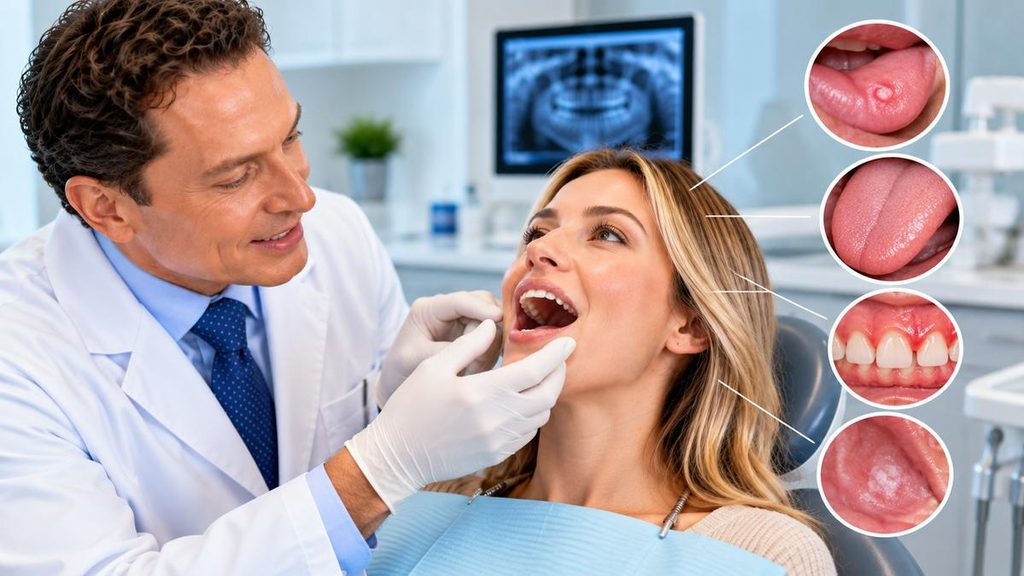
During a dental or oral examination, a healthcare professional may look for unusual changes such as sores, lumps, swelling, red or white areas, or changes in the gums. Many of these changes are harmless, but some may need further testing.
Oral pathology helps determine what may be causing these changes and whether treatment is needed.
What Does an Oral Pathologist Look For?
The mouth can show many signs when something is not right. Some changes may be easy to notice, while others may be found during a routine dental visit.
A dental professional may look for sores that do not heal, unusual lumps, ongoing swelling, changes in tissue color, bleeding, or areas that feel painful or numb. They may also check changes in the jawbone that appear on dental X-rays.
Not every unusual change means there is a serious condition. For example, a sore may develop because you accidentally bit your cheek or because a dental appliance is rubbing against the tissue. However, changes that remain for a long time should be checked.
Why Is Oral Pathology Important?
One of the main reasons oral pathology is important is that it can help find health problems early.
Some oral diseases may not cause much pain when they first develop. A person might feel completely normal even though there is an unusual change inside the mouth. Regular examinations can help find these changes before they become larger or cause more problems.
Early diagnosis can also make it easier for healthcare professionals to decide what type of care is needed. In some cases, the condition may simply need to be watched. In other cases, medication, a biopsy, or another treatment may be recommended.
How Is Oral Pathology Connected to Dental Hygiene?
Good dental hygiene helps protect your teeth and gums, but it also gives you a chance to become familiar with how your mouth normally looks and feels.
When brushing and flossing every day, you may notice changes such as bleeding gums, swelling, sores, or unusual areas on your tongue or cheeks. Paying attention to these changes can help you know when something needs professional attention.
Regular dental cleanings are also important. During these visits, your dental team does more than clean your teeth. They can also examine your gums and other areas of your mouth for signs of possible problems.
Oral pathology and dental hygiene work together by focusing on prevention, early detection, and maintaining a healthy mouth.
Common Signs of Oral Health Problems
There are several changes in the mouth that should not be ignored, especially when they continue for more than a short period.
A sore that does not heal may need to be examined. The same is true for an unexplained lump, ongoing swelling, or unusual red or white areas inside the mouth.
Other signs can include ongoing mouth pain, difficulty chewing or swallowing, unexplained bleeding, numbness, or changes in how your teeth fit together.
These symptoms can have many different causes and do not automatically mean that something serious is wrong. However, having them checked can help find the cause and determine whether treatment is needed.
What Happens During an Oral Examination?
An oral examination is usually simple and does not take very long. The dental professional will carefully look at different areas inside and around your mouth.
They may check your lips, tongue, cheeks, gums, roof of the mouth, and the area under your tongue. They may also feel around your jaw and neck for unusual swelling or lumps.
Dental X-rays may be used when a closer look at the teeth or jawbone is needed.
If an unusual area is found, the next step depends on how it looks and how long it has been present. Some areas may simply be checked again at a later visit. Others may need additional testing.
What Is a Biopsy?
Sometimes, looking at an unusual area is not enough to know exactly what it is. In these situations, a biopsy may be recommended.
A biopsy involves taking a small sample of tissue from the area. The tissue is then examined closely to help determine what type of cells are present and what may be causing the change.
The word “biopsy” can sound worrying, but having one does not mean a serious disease has been found. It is simply a way to get more information and make a clearer diagnosis.
Once the results are available, the healthcare provider can explain whether any additional care is needed.
Can Good Dental Hygiene Prevent Oral Disease?
Good dental hygiene can help prevent many common oral health problems, especially tooth decay and gum disease. Brushing twice a day, cleaning between the teeth, and having regular dental cleanings can help reduce harmful plaque and bacteria.
However, good dental hygiene cannot prevent every condition that can affect the mouth. Some problems may develop because of infections, injuries, health conditions, family history, tobacco use, or other factors.
This is why regular dental examinations are important even if you brush and floss every day.
A healthy routine at home combined with professional dental care gives you a better chance of finding problems early.
How Can You Protect Your Oral Health?
Taking care of your oral health does not have to be complicated. Brush your teeth every day using a soft toothbrush and fluoride toothpaste. Clean between your teeth to remove food and plaque that your toothbrush cannot reach.
Try to limit habits that can harm your mouth, especially smoking and other tobacco use. Eating a balanced diet and drinking enough water can also support your overall oral health.
Most importantly, do not ignore unusual changes. If you notice a sore, lump, swelling, color change, or another problem that does not go away, schedule an examination.
Regular dental visits are also important even when your mouth feels completely healthy. Some conditions can develop without causing obvious symptoms at first.
Why Early Detection Matters
Early detection is one of the most important parts of oral pathology. Finding a problem early can provide more information and allow treatment to begin sooner when it is needed.
It can also prevent people from waiting until a condition becomes painful or starts affecting eating, speaking, or other daily activities.
This is why routine examinations and good dental hygiene should work together. Daily care helps maintain a clean and healthy mouth, while professional examinations can identify changes that may not be easy to notice at home.
Conclusion
Oral pathology is an important part of maintaining good oral health because it helps identify and understand diseases and unusual changes in the mouth, jaw, and nearby tissues. Combined with daily brushing, flossing, regular cleanings, and routine examinations, it can help find potential problems early and guide the next steps in care.
If an unusual area in your mouth needs further evaluation, Oral & Facial Surgery Institute provides specialized oral and facial surgery care. Their team can evaluate concerns involving the mouth and jaw and help determine whether additional testing or treatment is needed.