
Wisdom Teeth Removal in St. George, UT
Copyright © Novulum 2026. All Rights Reserved.
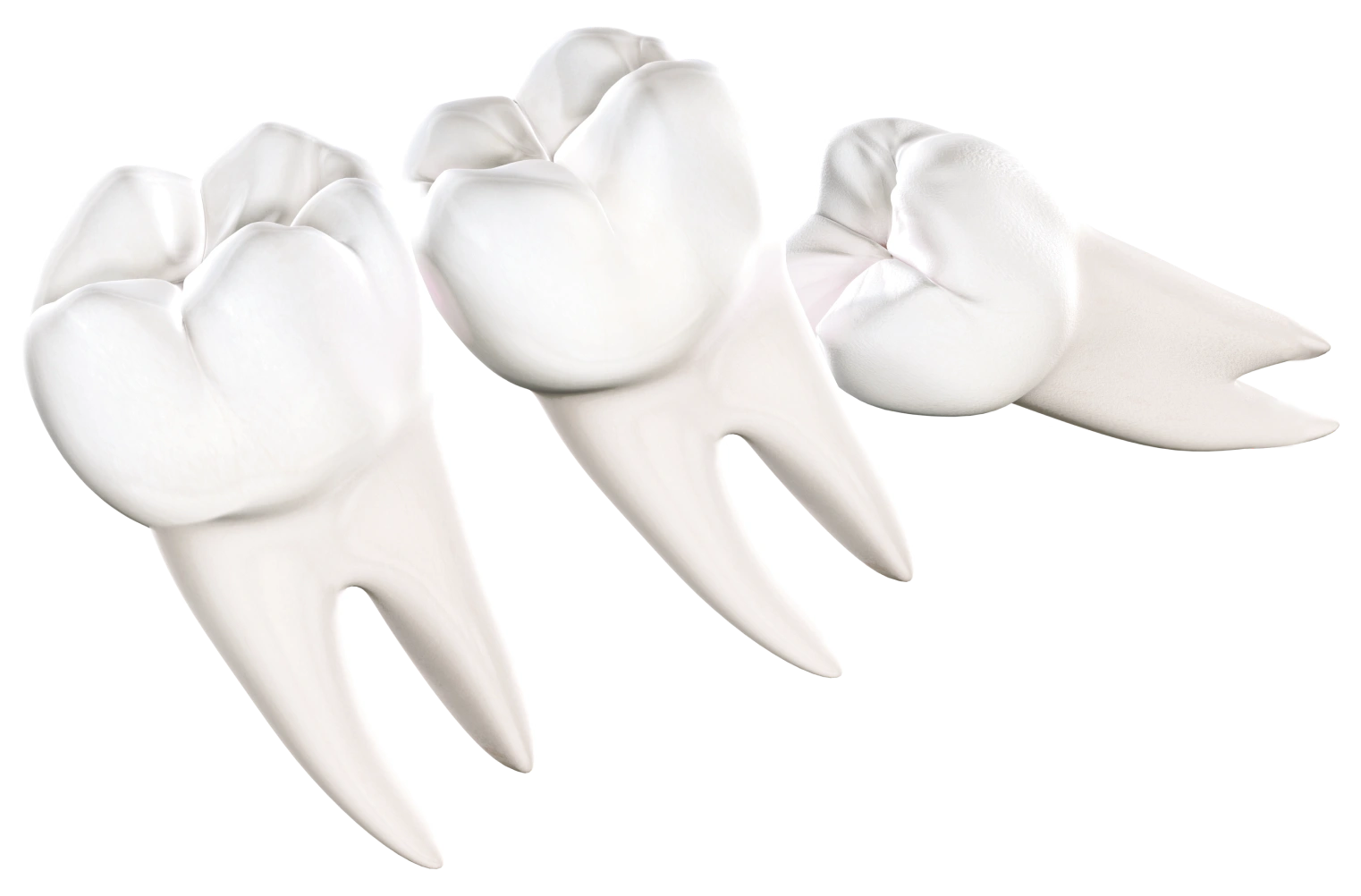
Removing Third Molars
Wisdom teeth, also known as third molars, are the last teeth to develop, typically emerging between the ages of 17 and 21. For patients seeking wisdom teeth removal in St. George, Utah, Dr. Davis, our board-certified oral surgeon at the Oral & Facial Surgery Institute in St. George, Utah, provides safe, comfortable evaluation and extraction care for teens and adults. Most people do not have enough room or enough space for four wisdom teeth to erupt properly, which can lead to impaction, pain, infection, crowding, and pressure on other teeth.
Because these teeth often create problems instead of functioning normally, dentists and oral surgeons commonly recommend removal to protect comfort, alignment, and long-term oral health. Below, you’ll learn when wisdom teeth should come out, the symptoms that signal a problem, what happens during surgery, which anesthesia options may be used, what recovery is like, and answers to common questions. Together with our caring and knowledgeable team, Dr. Davis is committed to delivering exceptional patient care in St. George, UT, and we invite you to schedule a consultation.
Dr. Davis, our board-certified oral surgeon, possesses extensive expertise in wisdom teeth removal. Together with our caring and knowledgeable staff at Shawn B. Davis, DMD, Oral & Facial Surgery Institute, Dental Implant Specialists, we are committed to delivering exceptional patient care. If you’re in St. George, UT, we invite you to reach out today to schedule a consultation.
Why Remove Wisdom Teeth?
The decision to remove wisdom teeth hinges on factors like their size and position. While some individuals may not encounter any problems, extraction is often necessary. The late teens, especially ages 15–16, are usually considered optimal for removal, since teeth are easier to extract before the roots fully develop and become more anchored in the jawbone; many patients in their early twenties still heal well, but this window often allows smoother surgery and recovery. However, wisdom teeth can still be removed in adulthood, though potential complications and related problems tend to increase after age 30, and timely wisdom teeth removal for missionaries can be especially important to prevent interruptions during service.
Your dentist will monitor the growth and development of your wisdom teeth during routine checkups, using x rays to evaluate their development and determine when wisdom teeth should be removed, and may refer you to an oral surgeon when extraction becomes necessary. If you notice any signs or symptoms of wisdom teeth issues between appointments or are unsure if you even have them, resources on how to tell if you have wisdom teeth and a prompt consultation can help you avoid more serious problems.
Sign & Symptoms of Wisdom Teeth
Many individuals experience symptoms indicating the need for wisdom teeth extraction, including:
- Pain and discomfort in the back of the mouth, which may radiate to the jaw, ear, and neck.
- Swollen and tender gums, often accompanied by inflammation around the affected area.
- Difficulty opening the mouth fully due to overcrowding or misalignment.
- Sinus pressure, leading to pain, congestion, and headaches, particularly with upper jaw wisdom teeth, which may require following specific postoperative sinus precaution instructions after extraction.
- Bad breath or a persistent unpleasant taste caused by bacterial accumulation around partially erupted or impacted wisdom teeth.
Monitoring these symptoms and seeking prompt evaluation by an oral surgeon can help prevent complications associated with wisdom teeth eruption or impaction, including painful conditions such as dry socket after wisdom teeth removal.
Wisdom Tooth Removal Surgery
Upon visiting our practice, your journey begins with a consultation with Dr. Davis. He will evaluate your oral health, review your medical history, discuss your symptoms with you, and create a personalized treatment plan based on your needs, ensuring all your questions are addressed.
On the day of surgery, anesthesia will be administered beforehand to ensure your comfort, and we’ll explain what to expect before and during the procedure. The type of anesthesia chosen, discussed during your consultation, often includes IV sedation for wisdom tooth extraction. This leaves patients in a sleep-like state, often with limited memory of the procedure due to drifting in and out of sleep. Wisdom teeth removal is a common outpatient procedure and typically takes 30 to 90 minutes.
For erupted wisdom teeth, forceps are employed for extraction, a swift and straightforward process. However, if your wisdom teeth are impacted or trapped under gum tissue or in the jawbone, an incision in the gum tissue is necessary for access and removal, followed by sutures to aid healing.
Post-surgery, you’ll receive detailed recovery instructions to facilitate smooth healing. This includes caring for the surgical sites, taking prescribed pain medication, and preventing dry socket or infection, possible complications that proper aftercare helps reduce. Our team will also explain how to support healing properly and when to contact the office with concerns.
Recovery times vary, but most patients can resume normal activities within a few days, and our St. George oral and maxillofacial surgery practice is dedicated to guiding you through each step of the process. While discomfort is expected, it can be managed with ice packs, rest, prescribed pain medication, and by following proven tips to heal quickly after wisdom tooth surgery.
Types of Anesthesia
Depending on your procedure, you will receive one of the following forms of anesthesia to ensure your comfort.
Frequently Asked Questions
1. Can I eat normally after wisdom teeth removal?
Soft foods should be eaten during the initial recovery period to avoid complications, gradually transitioning to solid foods as your mouth heals. Many patients find it helpful to reference ideas for foods you can eat after wisdom teeth surgery. Your oral surgeon will provide personalized dietary recommendations as part of good dental care during recovery.
2. What is a dry socket after tooth extraction?
Dry socket occurs when the blood clot in the socket dissolves or dislodges, exposing the underlying bone and causing intense pain. Avoiding vigorous rinsing, straws, and smoking helps prevent it.
3. What is recovery like after wisdom teeth removal?
Recovery varies, and the initial 24 to 48 hours are the most important part of healing; swelling, discomfort, and limited jaw movement are normal initially. Most return to work or school within a day or two, but full healing may take about two weeks. Follow postoperative instructions closely, take prescribed medication, use ice packs, and avoid strenuous activities to support a healthy smile as your mouth heals.
4. How long does it take to remove wisdom teeth?
The duration varies based on factors like tooth position and development. Generally, the procedure lasts between 45 minutes to an hour, with your oral surgeon providing a more accurate estimate during your consultation.
5. What anesthesia options are available for wisdom teeth removal in St. George, UT?
Medically reviewed by Dr. Shawn B. Davis, DMD, MBA - Board-Certified Oral & Maxillofacial Surgeon.
Providing Excellent Oral Surgery in St. George
Outstanding outcomes and excellent care. That’s our goal at Oral & Facial Surgery Institute. At our office in St. George, we’re able to craft beautiful smiles and serve our community. If you’re looking for an incredible option to access oral surgery, contact our office to learn more about how we can help you achieve optimal oral health.